
In the bustling streets of Kolkata, where the Hooghly River whispers tales of history and the air hums with the passion of a million fans, lies the soul of Bengal cricket—Eden Gardens. Established in 1864 and boasting a capacity of over 68,000, this iconic venue has been the cradle of dreams for generations of cricketers from West Bengal. Often simply called Bengal in cricket circles, the state team has etched its name in India’s domestic annals since entering the Ranji Trophy in 1935–36. Though not as dominant in sheer numbers as powerhouses like Mumbai or Gujarat, Bengal’s heritage is rich with resilience, blending aggressive batting, crafty spin, and fiery pace that has shaped India’s international identity. With just two Ranji Trophy titles—1938–39 against Southern Punjab and 1989–90 against Delhi—amid 13 runner-up finishes (most recently in 2022–23 against Saurashtra), Bengal’s story is one of near-misses and unyielding spirit. As of 2026, the team continues to thrive, bolstered by strong academies and the undying fervor at Eden, where every roar echoes the legacy of legends who turned passion into glory. 4 “LARGE”
This aerial view of Eden Gardens captures the grandeur of a stadium that has hosted epic battles, from India’s first Test win at home in 1952 to modern IPL spectacles. It’s more than a ground; it’s Bengal’s beating heart, where young talents from Siliguri to Howrah dream of donning the blue and gold.
The Prince Who Redefined Leadership: Sourav Ganguly
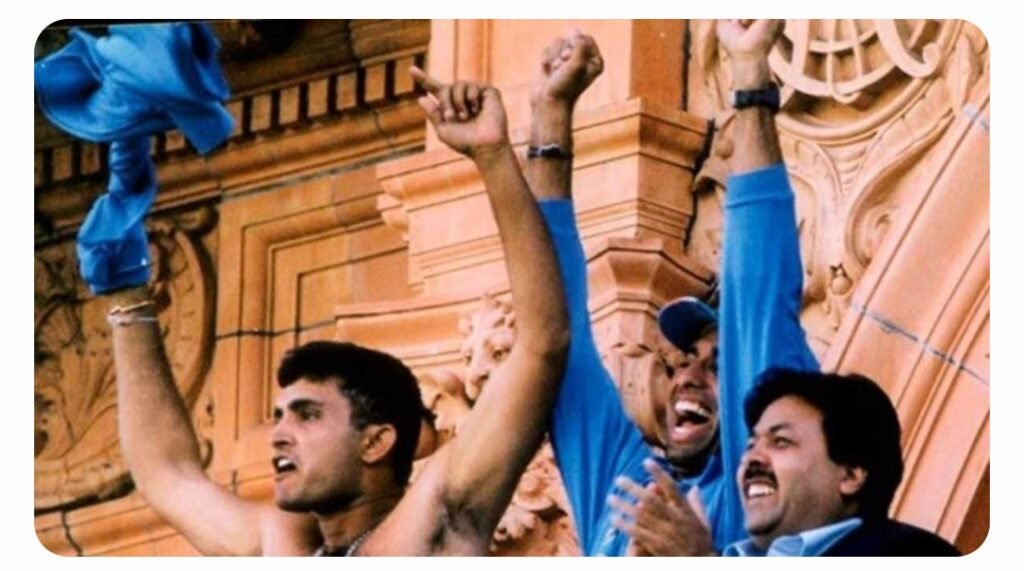
No chronicle of Bengal cricket is complete without the “Prince of Kolkata,” Sourav Chandidas Ganguly, born on July 8, 1972, in Behala. From the dusty maidans to captaining India through its transformative era (2000–2005), Ganguly’s journey is a nostalgic ode to fearless aggression. Influenced by his elder brother Snehasish, a former Bengal player, young Sourav honed his elegant left-handed strokeplay, earning a spot in Bengal’s Ranji side in 1989–90. His international debut in 1992 was rocky, but a century on Test debut at Lord’s in 1996 announced his arrival.
Ganguly’s stats speak volumes: 113 Tests with 7,212 runs at 42.17 (16 centuries, highest 239), and 311 ODIs yielding 11,363 runs at 41.02 (22 centuries, highest 183). As captain, he led India to the 2003 World Cup final, instilled belief in overseas wins, and mentored a golden generation including Rahul Dravid and Sachin Tendulkar. His iconic shirt-waving celebration at Lord’s in 2002 after the NatWest Trophy win remains etched in memory—a defiant symbol of Bengal’s unyielding pride. 1 “LARGE” Post-retirement in 2008, Ganguly served as BCCI president, shaping modern Indian cricket. For Bengal fans, he’s the eternal Dada, whose grit turned Eden into a fortress of inspiration. 0 2
The Seam Sorcerer: Mohammed Shami
Though born in Amroha, Uttar Pradesh, on September 3, 1990, Mohammed Shami’s heart belongs to Bengal, where he forged his domestic legacy since 2010. Rising from tennis-ball cricket in his village, Shami’s swing, seam, and lethal yorkers made him a Ranji stalwart, helping Bengal reach finals and IPL glory with Kolkata Knight Riders. His international debut in 2013 marked the start of a stellar career: 64 Tests with 229 wickets at 27.71 (best 6/56, 6 five-wicket hauls), 108 ODIs with 206 wickets at 24.05 (best 7/57), and 25 T20Is with 27 wickets.
Shami’s big-stage prowess shines—17 wickets in the 2015 World Cup, 14 in 2019, and a record 24 at 10.70 in 2023 despite missing early games. In IPL, he claimed the Purple Cap in 2023 with 28 wickets for Gujarat Titans, and by 2026, he’s with Lucknow Super Giants after a stellar stint including 20+ wickets in multiple seasons. Overcoming personal challenges, Shami’s resilience echoes Bengal’s fighting spirit, making him a modern hero who turns pressure into precision. 0 “LARGE” His bowling action, captured here, is a blend of grace and menace, much like the Hooghly’s flowing currents. 10 11
The Record-Breaking Pioneer: Pankaj Roy
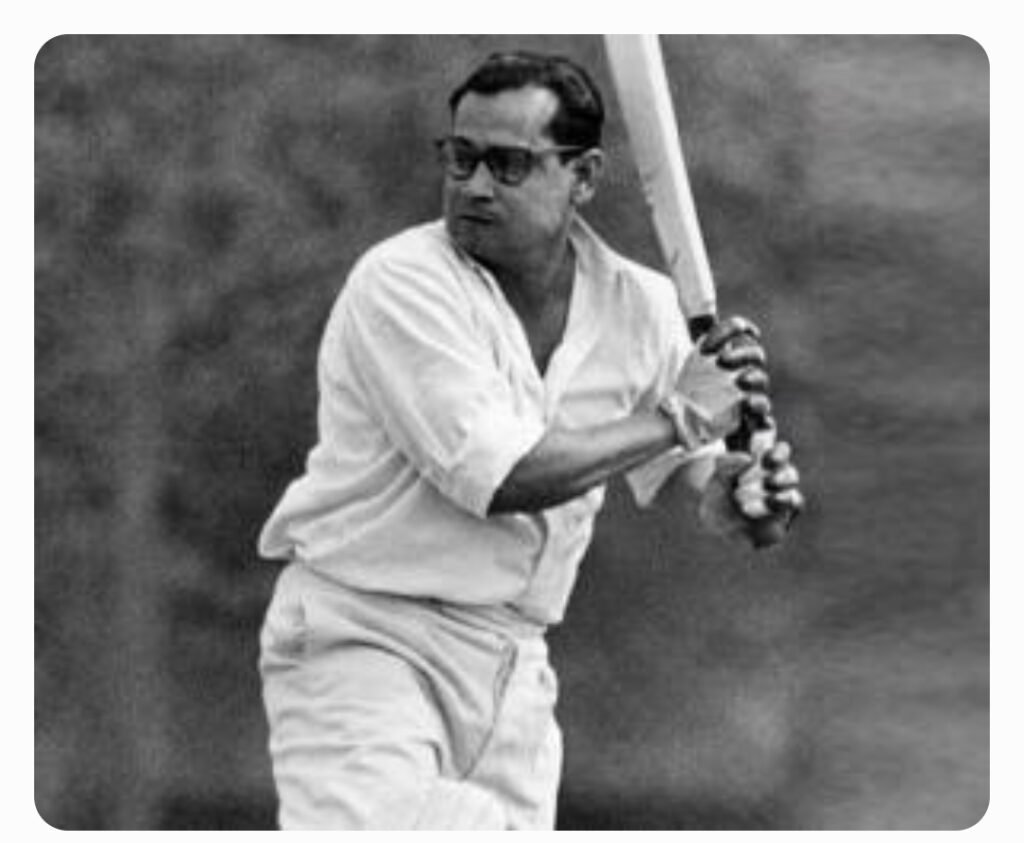
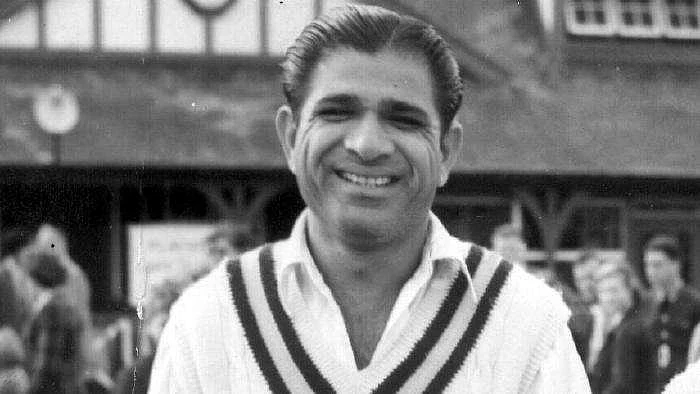
In the golden era of 1950s cricket, Pankaj Roy, born May 31, 1928, in Kolkata, stood as Bengal’s earliest Test star. A right-handed opener known for solid technique and temperament, Roy debuted in 1951 and played 43 Tests, scoring 2,442 runs at 32.56 (5 centuries, highest 173). His crowning glory? The world-record 413-run opening stand with Vinoo Mankad against New Zealand in Chennai (1955–56), unbroken for 52 years until 2008.
Roy’s domestic feats were legendary: 185 first-class matches with 11,868 runs at 42.38 (33 centuries, highest 202*). As Bengal captain, he led with quiet authority, inspiring a generation. Passing away in 2001, Roy’s legacy lives in Eden’s whispers—a reminder of Bengal’s foundational role in India’s cricketing tapestry. 2 “LARGE” This vintage photo of Roy batting evokes the simplicity and elegance of a bygone era. 20 21
The Silent Guardian: Wriddhiman Saha
From the misty hills of Siliguri, born October 24, 1984, Wriddhiman Saha emerged as Bengal’s keeping maestro. A right-handed wicketkeeper-batsman, Saha’s journey began with a century on Ranji debut in 2007, leading to IPL stints with Kolkata Knight Riders and others. He played 40 Tests (1,353 runs at 29.41, 3 centuries) and 9 ODIs (41 runs), excelling behind the stumps with gritty lower-order knocks, like his unbeaten 61 in the 2020 Adelaide pink-ball Test.
Saha’s domestic consistency—142 first-class matches with 7,169 runs at 41.43—helped Bengal reach multiple finals. In IPL (170 matches, 2,934 runs, 93 catches, 26 stumpings), he was a reliable force until retiring from internationals. Saha’s story is one of quiet perseverance, guarding Bengal’s wicket like a sentinel under Eden’s floodlights. 3 “LARGE” His wicketkeeping poise, shown here, symbolizes Bengal’s tradition of reliable guardians. 30 31
The Late-Blooming Spinner: Dilip Doshi
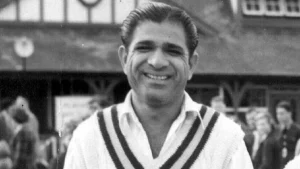
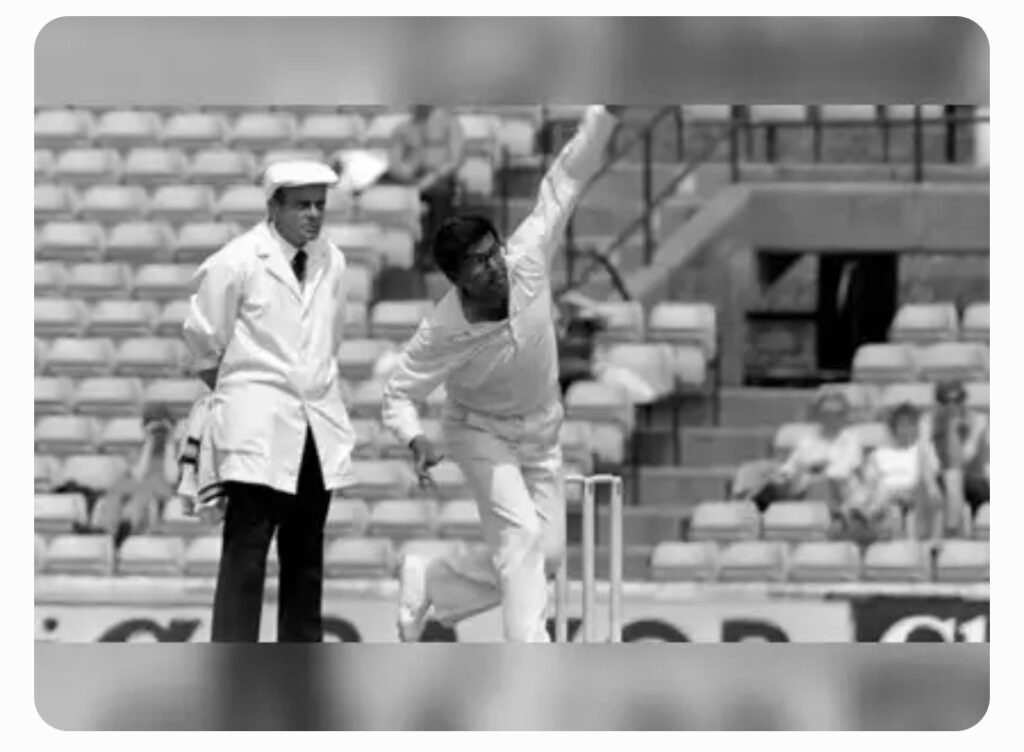
Born December 22, 1947, in Rajkot but a Bengal stalwart, Dilip Rasiklal Doshi defied age with his slow left-arm orthodox spin. Debuting for India at 32 in 1979, he played 33 Tests, taking 114 wickets at 30.71 (best 6/102, 6 five-wicket hauls), and 15 ODIs with 22 wickets. A key part of India’s 1980s spin arsenal, Doshi’s control shone in the historic 1981 MCG Test win despite a broken foot.
In first-class cricket (238 matches), he claimed 898 wickets, including county stints with Nottinghamshire. Passing away in 2025 at 77, Doshi’s late-blooming tale inspires—proving Bengal’s cricketers bloom eternally. 5 “LARGE” His spinning action, frozen in time, weaves magic into Bengal’s lore. 40 41
Echoes of Other Heroes
Bengal’s tapestry includes more gems: Deep Dasgupta (Kolkata-born, 8 Tests as keeper-batsman, led Bengal to finals); Arun Lal (Kolkata, 13 Tests as aggressive opener, anchored 1989–90 Ranji win); Manoj Tiwary (Howrah, stylish batsman with 12 ODIs, thousands in domestics, captained Bengal); Abhimanyu Easwaran (Dehradun-born Bengal stalwart, 22 first-class centuries, India standby); Akash Deep (emerging pacer with Test caps, RFM threat); Probir Sen (first Bengal Test player in 1951); Subrata Guha (seamer with 299 first-class wickets); and Gopal Bose (all-rounder, one ODI, captained Bengal). 50 52


A Legacy That Endures
West Bengal’s cricket thrives on Eden’s passion, strong domestic structures, and academies nurturing talents. From Ganguly’s magic to Shami’s fire, the state’s blend of nostalgia and current prowess inspires. As young cricketers gaze at Eden’s stands, they carry forward a symphony that resonates eternally.
What Bengal legends stir your memories? Share in the comments below!



![IPL 2026 [WATCH]: KKR goes out of luck as Ajinkya Rahane and Angkrish Raghuvanshi depart unexpectedly against DC](https://cricxt.com/wp-content/uploads/2026/05/KKR-goes-out-of-luck-as-Ajinkya-Rahane-and-Angkrish-Raghuvanshi-depart-unexpectedly-against-DC-LwhwWI-768x400.webp)
![IPL 2026 [WATCH]: Anukul Roy castles Tristan Stubbs with an absolute ripper during DC vs KKR encounter](https://cricxt.com/wp-content/uploads/2026/05/Anukul-Roy-castles-Tristan-Stubbs-with-an-absolute-ripper-during-DC-vs-KKR-encounter-PcW4vg-768x400.webp)